Mens Style Guide
Mens style guide means one thing: a written method that turns a man's body shape, daily routine and budget into a repeatable system for picking clothes, and it works in 4 steps from defining your style type to executing a finished look. A mens fashion style guide is not a mood board and not a capsule wardrobe checklist; it is the complete pipeline that starts with what you actually own and ends with how a single outfit reads at a glance. The system has exactly 20 working parts: 4 steps, 6 style types, 3 body shape categories, 7 colour groups, 10 fit checkpoints, 2 styling rules and 1 test that proves the look works. Every mens style guide that does real work keeps the same 4 step order, because each step depends on the one before it.
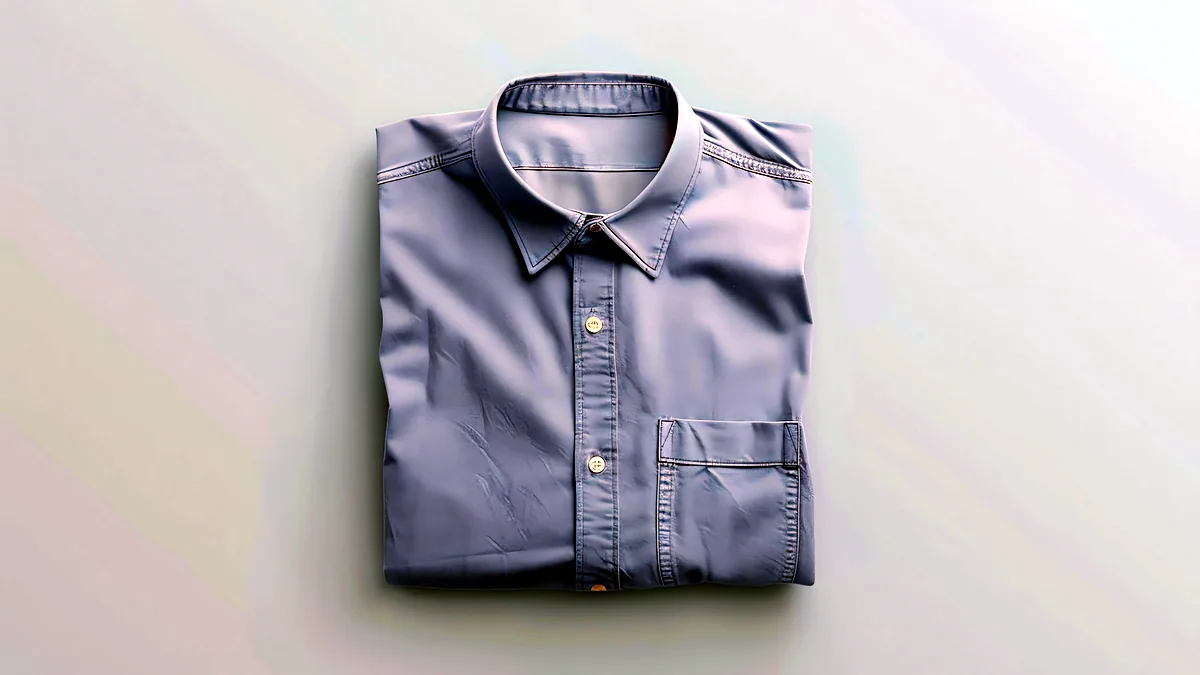
The first job of the guide is to define your style. You cannot describe a style you have never pinned down, so most mens fashion guides start by separating the 2 halves of the task. Defining means deciding which of the 6 style types fits you. Describing means being able to say the same thing in 1 short sentence that a tailor, a stylist or a partner could repeat back. The guide you are building here does both, and it keeps both answers in writing so you can check them 3 months from now.
Defining Your Style Type
To define your style, run the 4 step pipeline in order, because the steps are not optional and they are not interchangeable. The 4 steps are: define, describe, fit, execute. Step 1, define, sorts you into one of the 6 style types. Step 2, describe, writes your personal sentence. Step 3, fit, checks your clothes against your body shape. Step 4, execute, assembles the look and runs the final test. If a guide skips a step, the rest of the system fails quietly, which is why a complete mens style guide never collapses the steps. The Find Your Style Type exercise is where step 1 gets done, and it is the part most men rush through. You need 2 inputs before you can name a type: your day to day wardrobe and the 3 looks you actually want to wear. Without those 2 inputs, any style type you pick is a guess, and a guess does not survive the fit stage.
Describing Your Fashion Style in One Sentence
To describe your fashion style, write one 10 word sentence that names a type, a colour and a fit, and keep that sentence as the controlling document for the whole system. The 10 word cap forces precision: a 25 word description hides what you really want and gives you 3 different wardrobes instead of 1. A working description names 3 things in this order: the style type (such as classic, casual or rugged), the main colour (such as navy, grey or olive), and the fit profile (such as slim, regular or relaxed). If you cannot write the sentence, you have not finished step 1, and the mens style guide will not hold. A good example reads: classic type, navy and grey base, slim through the shoulder. That sentence is 10 words, and it is enough to drive every later choice. The Fashion Styling Explained section of any serious guide exists to protect this sentence from drift, because a description that is vague is a wardrobe that is random.
Why the Sentence Matters More Than the Label
The label tells you the direction, and the sentence tells you the destination, which is why the mens style guide keeps the sentence after the type is set. Two men can share the same style type and build completely different wardrobes, and the difference is the 10 word sentence. If your sentence says navy and grey base, you will not buy a red bomber jacket no matter how good it looks in the store, and that single rule saves you 3 separate purchases a year on average. The sentence also does the work of the description when you are not at home: it is the 1 thing you can tell a shop assistant that gets you to the right rack. A mens fashion style guide that stops at the label has given you 6 types to choose from but no way to choose well.
The 6 Style Types a Mens Style Guide Works With
The mens style guide sorts every wardrobe into 1 of the 6 style types, and the type is a starting point, not a cage. The 6 types are: classic, casual, rugged, smart, sport and urban. Each type has 3 defining traits, so there are 18 traits in total, and your job in step 1 is to count which type your current clothes and target looks hit the most. A classic wardrobe leans on navy, white and grey with clean lines. A casual wardrobe leans on denim, grey and earth tones with relaxed cuts. A rugged wardrobe leans on brown, olive and dark green with textured fabrics such as corduroy and waxed cotton. If your wardrobe splits 50 50 between two types, the mens style guide tells you to pick the type your target looks live in, not the type your current clothes live in, because the guide is built to move you, not to describe you. The Womens Style Guide on this site uses the same 6 type structure, which means a couple can run the system in parallel and still land on outfits that match without copying each other. Once the type is fixed, the next move is to build the type into a working template, which is where the Style Guide Template does the heavy lifting.
The 3 Body Shapes and the Fit Layer
The fit layer of the mens style guide checks every item against 1 of the 3 body shapes, and it is the step that separates a good list of clothes from a system that actually works on you. The 3 shapes are: rectangle, oval and triangle, and each shape has 2 priorities. The rectangle body wants vertical lines and a defined waist, so a tailored jacket and a slim trouser do the work. The oval body wants structure in the shoulders and darker tones across the middle, so a single breasted jacket and a straight trouser do the work. The triangle body wants a balanced shoulder, so a structured blazer and a slightly fuller trouser do the work. The fit layer uses 10 checkpoints: shoulder seam, chest ease, sleeve length, trouser rise, trouser break, collar fit, hem length, pocket depth, button count and fabric weight. If an item fails 3 or more of the 10 checkpoints, the mens style guide says to let it go, and that one rule is worth more than any number of new purchases. Fit is the bridge between the type you defined and the look you will actually execute, and it is the step most men skip entirely.
Colour, Fabric and the 10 Fit Checkpoints
The mens style guide uses 7 colour groups so that colour choices stay inside a system instead of becoming a daily decision. The 7 groups are: neutrals, darks, earths, pastels, brights, denim and black, and a working wardrobe keeps 60 percent of its pieces in neutrals, 30 percent in darks or earths, and 10 percent in a single accent group. The fabric layer has 4 rules: choose by season, choose by weight, choose by texture, and never let 1 fabric carry the whole look. In a summer 28 degree week, a lightweight cotton and a breathable linen carry the load. In a winter 2 degree week, a wool and a flannel carry the load, and the mens style guide tells you to match fabric weight to the temperature range, not to the calendar. The 10 fit checkpoints from the fit layer are the final gate, and they run on every item before it enters the wardrobe. Colour gets you to the right rack, fabric gets you to the right season, and the 10 checkpoints get you to the right body, which is the only body that matters.
Executing a Polished Look: The 2 Rules and the 1 Test
To execute a polished look, apply the 2 styling rules and then pass the 1 test, because a look is not finished until it survives the test. The 2 rules are: the 3 piece rule and the 1 focal point rule. The 3 piece rule says a complete outfit is 3 pieces, such as a shirt, a trouser and a jacket, and if you add a 4 piece, it must replace a 1, not sit on top of the others. The 1 focal point rule says the eye should land in 1 place, and the focal point is either a colour, a texture or an accessory, never all 3 at once. If both rules are met, run the 1 test: take a 30 second photo in front of a mirror, look at the photo for 5 seconds, and ask what the outfit says about you before you look at it again. If the answer is clear, the look is done. If the answer is vague, the mens style guide says to pull 1 piece and run the test again, and most looks need 2 runs, not 5. The Style Guide Template on this site is built to hold the 2 rules and the 1 test on a single page, so that executing a look takes 2 minutes, not 20, and so that the same mens style guide works whether you are dressing for a meeting on a Monday or a wedding on a Saturday.
Putting It Together: The Complete System From Basics to Finished Look
The complete mens style guide works as a loop, and the loop closes when the finished look feeds back into the next defining decision. The 4 steps are define, describe, fit, execute, and the loop adds a 5th move that the 4 steps alone do not cover: review. Review means looking back at the 10 word sentence every 3 months and asking whether the sentence still matches the wardrobe. If the sentence has drifted, the mens style guide says to update the sentence first and the wardrobe second, because the sentence is the controlling document. The 20 working parts hold together only if each step feeds the next one: the define step feeds the describe step, the describe step feeds the fit step, the fit step feeds the execute step, and the execute step feeds the review step. A mens fashion style guide that treats the steps as a one time exercise will fail by month 6, and a mens fashion style guide that treats them as a loop will hold for 5 years or more. The system is the same for every man, from the one who buys 3 pieces a year to the one who buys 30, and the only difference between those 2 wardrobes is the 10 word sentence and the 10 checkpoints that keep it honest. The mens style guide is not a list of what to buy. It is the 4 step method that tells you what to buy, why to buy it, and how to know when the look is done.