Fashion Brand Guide
A fashion brand guide is the single written system that defines what a brand looks like and how it looks, and it runs through 7 stages from the style type all the way to a finished look. The guide holds the visual identity, the wardrobe rules and the styling logic in one file, so that a look that leaves the studio at 9:00 on a Tuesday matches the look that leaves it at 16:00 on a Friday. It is the document a team opens when a new stylist joins, when a shoot brief goes out, or when a founder asks why one piece fits the brand and another does not. The method this guide follows is the StyleSmith identity method, which treats the brand as a repeatable process rather than a set of opinions, and the sections below walk the process end to end, from the style type definition to the finished, photographable look.
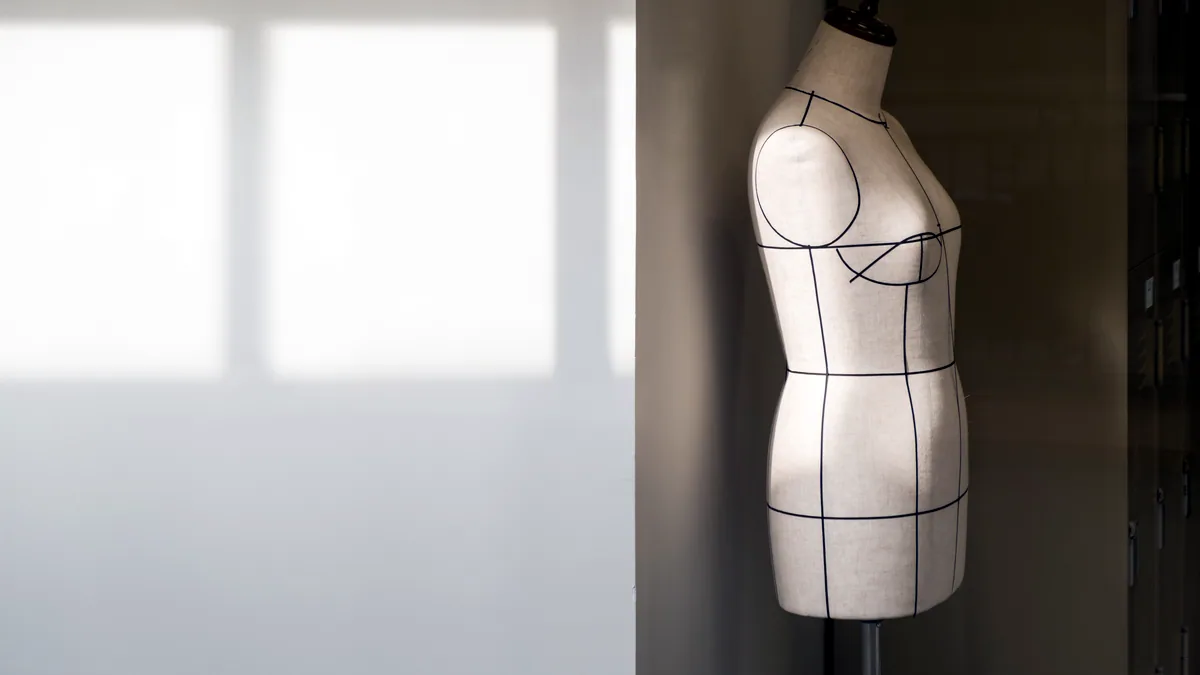
Before the method, two documents do the heavy lifting. A Style Guide Template is the skeleton that any brand fills in with its own values, and Brand Identity Examples are the finished case files that show the skeleton completed. Reading both before you start saves weeks, and the Fashion Styling Explained section later in the guide is where the abstract rules meet the garments.
What a fashion brand guide is
A fashion brand guide is a working manual, not a mood board, and it holds 12 core sections from palette to typography to the styling rules that govern the actual clothing. The 12 sections are the logo and its clear space, the color palette with 5 core colors and 2 neutrals, the typefaces with a 2 family pair, the imagery rules, the wardrobe rules, the fabric and fit standards, the lookbook structure, the voice, the do and do not list, the social templates, the product naming, and the revision log. A mood board answers what feels right, and the guide answers what the brand is, which is why two teams reading the same board can produce two different collections while two teams reading the same guide produce the same one. The guide is written in present tense, because it describes a current system rather than a past decision.
Defining the style type
To define the style type, the guide first fixes 3 axes on which every look is measured, and the StyleSmith framework names those axes silhouette, texture and detail. Silhouette is the outline of the outfit with no reference to fabric, texture is the surface feel such as matte, woven or glossy, and detail is the small elements like a lapel, a seam or a button. Each axis runs on a scale from 1 to 5, with 1 the minimal end and 5 the maximal end, and a brand is placed on the 3 axes as a triple, for example 2 3 4 for a brand that keeps the line clean, uses a mid texture and carries moderate detail. The triple is the first hard number in the system, and every later rule is checked against it. A brand that scores 2 3 4 rejects a garment that would read 4 4 5, because the silhouette alone breaks the axis by 2 points. This is the difference between a taste, which a person can change in a day, and a type, which the whole brand is built around for a season or a year. The style type is written in the guide before any look exists, and it is the anchor that the finished look later returns to.
The StyleSmith framework end to end
The StyleSmith framework is the 7 stage sequence that carries a brand from the style type to the finished look, and each stage hands a named output to the next. The 7 stages are the style type, the palette, the wardrobe rules, the lookbook, the styling pass, the shoot and the archive. The handoff is what makes the method a system instead of a checklist, because a stage that skips its handoff breaks every stage after it. The table below lays the 7 stages side by side with their inputs, outputs and the 1 rule that most often fails at each stage.
| Stage | Input | Output | The 1 rule that fails most |
|---|---|---|---|
| 1 Style type | Brand brief | The 3 axis triple | Scoring on feel instead of silhouette, texture and detail |
| 2 Palette | The triple | 5 core colors and 2 neutrals | Adding a 6th color to please one product line |
| 3 Wardrobe rules | Palette and triple | The approved garment list | Approving a piece that breaks one axis by 2 points |
| 4 Lookbook | Approved list | 10 looks in sequence | Ordering by designer preference instead of the story |
| 5 Styling pass | The 10 looks | The adjusted garments and props | Adding a prop that is not in the palette |
| 6 Shoot | Styled looks | The final images | Retouching a color outside the 5 core colors |
| 7 Archive | Final images | The logged guide version | Filing the shoot without updating the revision log |
Each stage output becomes the next stage input, and the revision log at stage 7 is what lets the next season start from a clean version rather than from memory.
Brand identity examples that show the method working
Brand Identity Examples make the framework concrete, because the method is easier to learn from a completed file than from the rules alone. Three examples span the range, and each one is a real brand pattern rather than an invented one. The first is a minimal tailoring house that scores 2 3 4 on the triple, uses a 5 color palette built on charcoal, cream, black, white and one muted accent, and keeps the lookbook to 10 looks with no pattern and no print. The second is a streetwear label that scores 4 4 4, runs a palette of 5 bold colors plus 2 heavy neutrals, and lets the detail axis carry the identity through oversized seams and hardware. The third is a bridal brand that scores 3 5 2, leans on the texture axis with lace and tulle, and holds the detail axis low so the silhouette stays clean. In each case the triple is written first, the palette follows from the triple, and the wardrobe rules reject anything that breaks an axis. The examples also show what the guide does not do, which is let a single designer taste override the type, and that is the failure the whole method is built to prevent.
The styling principles from first principles
Fashion Styling Explained is the part of the guide where the abstract rules become the garment in front of you, and it rests on 4 principles that the whole system reduces to. The 4 principles are the axis check, the palette lock, the silhouette balance and the one focal point. The axis check asks whether the piece holds the triple, the palette lock asks whether every color in the frame is one of the 5 core colors or 2 neutrals, the silhouette balance asks whether the outline still reads the score the brand chose, and the one focal point rule says a look carries at most 1 hero element so the eye has a single place to land. The principles are ordered so that the axis check runs first and the focal point runs last, because a look that fails the axis check is rejected before any focal point is considered. The Fashion Styling Explained section is also where the guide handles the hardest case, the garment that is beautiful but off type, and the answer there is always the same, it is archived as a reject and not styled. The principle set is short on purpose, because a stylist who can run 4 checks in under 30 seconds per look can clear a 10 look board in about 5 minutes.
Getting the guide into a pdf
A fashion brand guidelines pdf is the portable version of the guide, and the standard layout is a 16 page file that mirrors the 12 core sections plus a cover, a table of contents and a 2 page change log. The 16 pages are sized to A4 at 210 by 297 mm, which is the print size, and the same file is exported to a screen pdf at 1920 by 1080 px for the studio screens, so the two systems carry the same content at two resolutions. The pdf is built from the same source as the master guide, never from screenshots of old slides, and it is versioned so that a 2025 release and a 2026 release are separate files with a date in the name. A team that distributes the pdf without a version number ends up with 4 teams running 4 different seasons, and the version log is the only guard against that. The pdf is the delivery format, and the master guide is the source, which is why the guide is edited first and the pdf is rebuilt after, in that order and never the reverse.
From the first principles to the finished look
The finished look is the stage 7 output of the whole method, and it is the point where the fashion brand guide stops being a document and becomes a photograph. A finished look passes the 4 styling principles, holds the 3 axis triple, stays inside the 5 core colors, and lands on 1 focal point, which is the same set of checks the guide ran at the wardrobe stage now applied to the image itself. The guide is then closed with the shoot logged in the revision log, the archive updated, and the version number bumped, so that the next season inherits the system rather than rediscovering it. The whole method is a loop that returns to the style type, because the finished look is measured against the triple that opened it, and a look that drifts from that triple is a signal that the guide, not the stylist, needs a revision. That is the fashion brand guide as a complete method, 7 stages, 12 sections, 4 principles and a finished look, all held in one document that a new team can open and run on day 1.
Where to start
 1. FASHION BRAND IDENTITYBrand Identity ExamplesA fashion brand identity example is a complete, documented visual and verbal system for one fashion company: the logo, the colour palette.
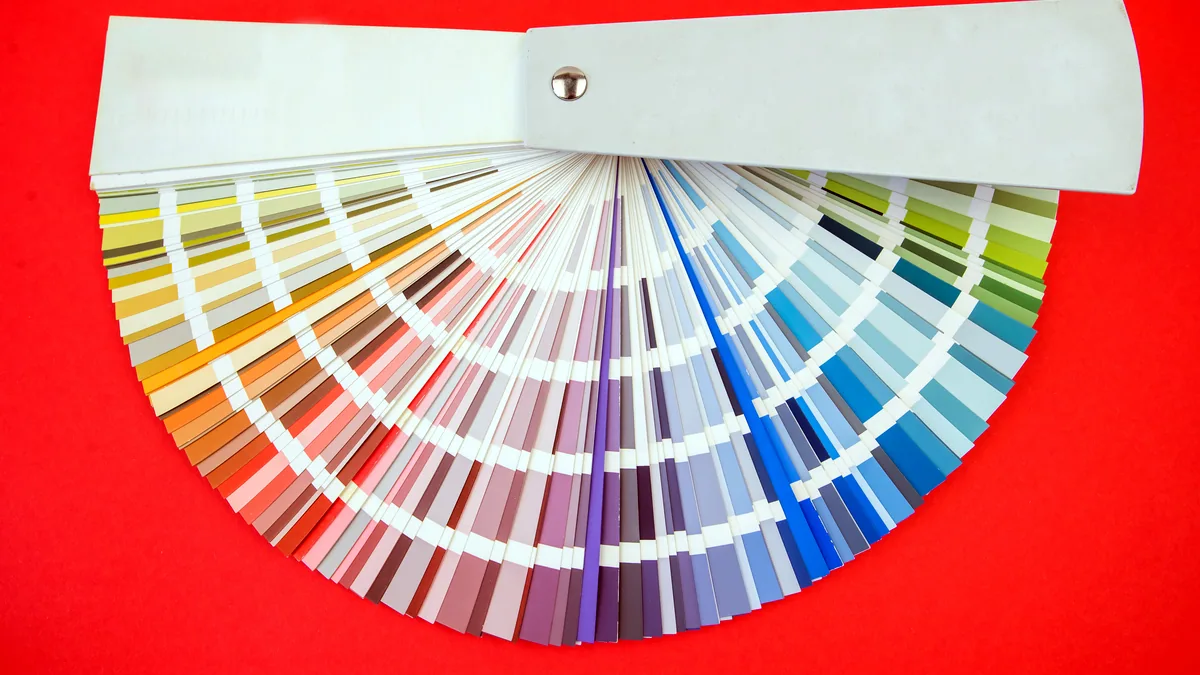 2. FASHION STYLE GUIDEStyle Guide TemplateA fashion style guide template is a structured document, typically 24 to 48 pages.